People create neuroinclusion, not processes
In Neurodiversity Celebration Week, we wanted to share one thought which seems relevant to our changing world.
There is strong evidence that neuroinclusive workplaces are beneficial for employers as well as employees, and there is a lot of positive guidance and support on how to create neuroinclusive environments.
In all this, one thing is clear.
The processes can be right, but ultimately real change depends on the culture. We see this in companies large and small, and in public and charitable organisations.
In other words: people create neuroinclusion and they do it because they believe.
They believe that people’s brains work in diverse ways, and that this is normal, not exceptional.
They believe that everybody has needs, and that if you meet people’s needs, they do better.
They believe that recognising and meeting needs is most often easy to do without creating an unreasonable burden.
They believe that meeting needs is good for everybody and everything – including their bottom line, whether that is measured in financial or human outcomes.
They believe all this simply, quietly, and straightforwardly, without hyperbole, judgement or caveats. They believe it because they are people, with an innate desire to connect with and understand other people.
As a result, they naturally create environments that are neuroinclusive. When processes make this easier, they go with the process, and when they don’t, they find ways to work around the process.
In contrast, the narrative we have seen recently suggesting neurodivergence is ‘overdiagnosed’ and implying that ‘people are just making it up’ requires a lot of energy to maintain, as it is based on ignorance, fear, othering, and prejudice, and not on our innate desire as humans, to connect.
It’s important to keep highlighting the facts. There have been decades of research on all types of neurodivergence, and millions of people have been diagnosed by multi-disciplinary teams of clinical experts. There is extensive evidence that neurodivergent people experience harms, which in many cases are avoidable with the right support. There is equally extensive evidence showing how the right support transforms outcomes for neurodivergent people and creates wider benefits.
In the face of this evidence, a ‘refusal to believe’ is in one sense, bewildering. And to assume that things never change, and that societies never evolve, would be to ignore the evidence of human history.
However, it is important to remember that not everyone has access to this evidence. Not everyone has, or is aware they have, direct experience of knowing someone who is neurodivergent: although they probably do. More generally, people take time to adjust to change, and it’s understandable that this ‘new reality’ may take some getting used to. Living together in society always brings challenges, but they are the natural challenges of being human, and the strength people bring is in finding a way to live and thrive together.
The problem is that resistance to the basic fact of neurodivergence, is in some parts of society, hardening, because it serves political and financial interests to spread narratives that promote division and disbelief and scapegoat certain groups.
This brings us back to people. The most powerful force in policy and public affairs is cultural, and we can rest assured that a substantial proportion of the world’s population believe in compassion over hate, in trust over disbelief, and that doing good for others helps make things better for everyone.
When uncertainty and risk are rising so rapidly in our country and across the world, this belief inevitably weakens. It is particularly fragile when resources are under such pressure. For these reasons, it is crucially important that we do everything we can, right now, to support the human instinct to believe, empathise and understand.
This needs collective will, but also leadership. A positive example has already happened this week in the North West of England, where Mayor of Greater Manchester Andy Burnham and his team ran a Neuroinclusion Summit for city regional teams from across the country. Both the Mayor, and the Deputy London Mayor for Business, Howard Dawber, spoke powerfully about neuroinclusion as a social and moral imperative and an enabler of economic growth and economic justice, and their intention to encourage other city regions and mayors to join a movement, ‘ground up’, to put neuroinclusion at the heart of their plans. This is the leadership we so sorely need.
Our society has changed for the better. We have made progress in understanding neurodivergence, and it is time for policy, services and employment to respond. We must ensure our world becomes more, not less neuroinclusive.
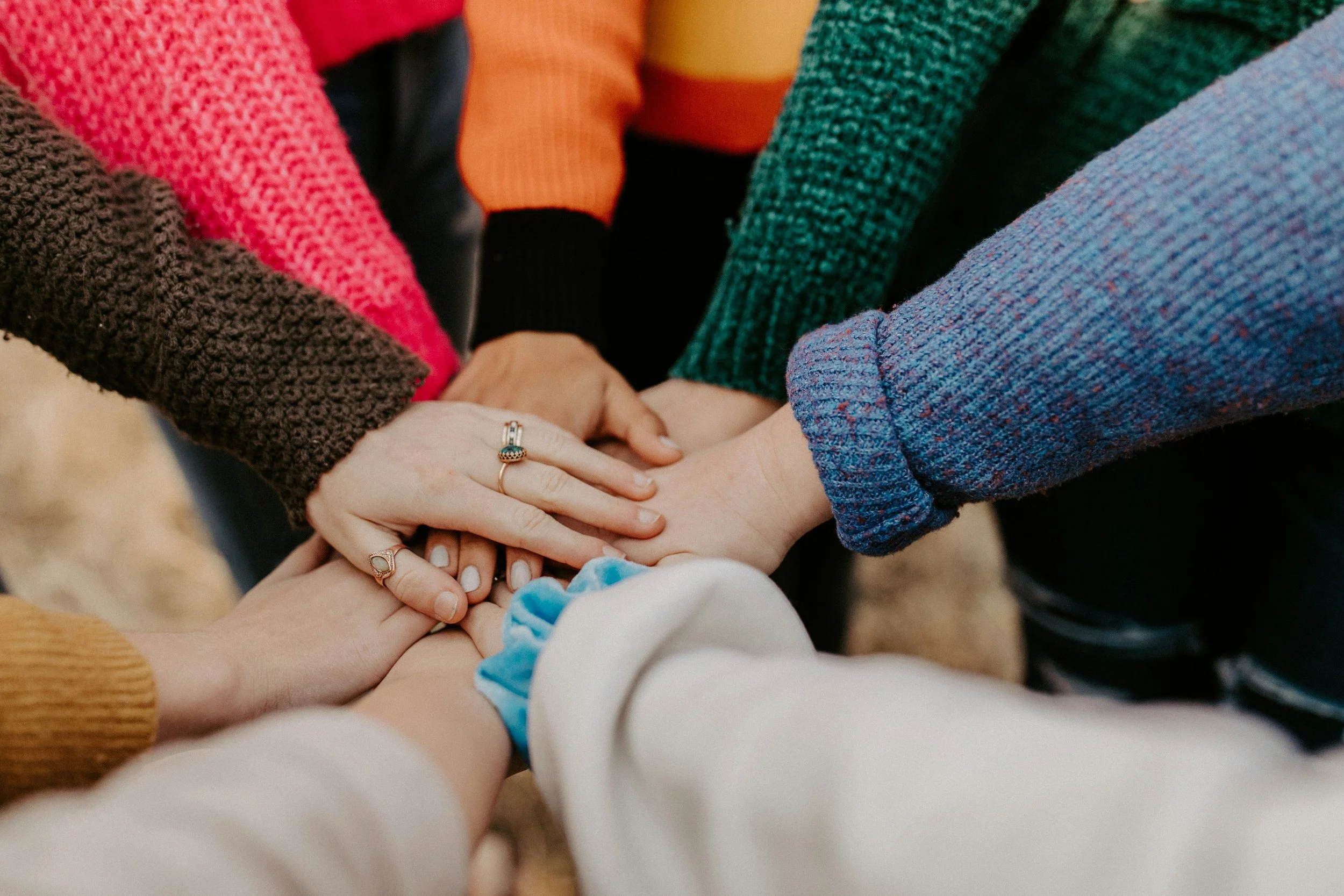
Photo by Hannah Busing on Unsplash